

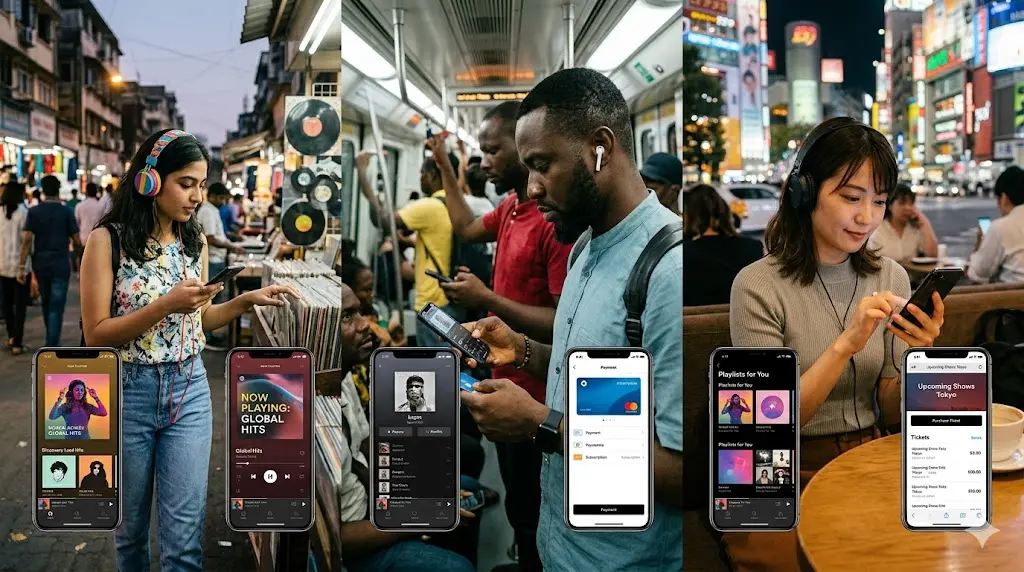
Music streaming has quietly become one of the strongest influences on global consumer buying behaviour. People don’t just listen to music anymore. They discover products, shape lifestyle preferences, follow trends, and even make purchasing decisions based on playlists, artist branding, and streaming algorithms.
Here’s the thing: streaming platforms are changing how consumers feel, shop, and engage with brands in real time. From fashion and tech to travel and food, music-driven influence now reaches almost every part of the digital economy.
How music streaming is changing consumer buying behaviour worldwide comes down to personalization, emotional marketing, and instant digital influence. Streaming platforms affect product discovery, shopping moods, subscription spending, social trends, and brand loyalty across global markets.
What Is Music Streaming Consumer Behaviour?
Music streaming consumer behaviour refers to how streaming platforms influence purchasing habits, emotional responses, lifestyle choices, and brand interactions among listeners worldwide.
Streaming-Based Consumer Influence — the process where music platforms shape buying decisions through personalized playlists, artist recommendations, advertising, and emotional engagement.
A decade ago, people bought albums occasionally and discovered music through radio or television. Now consumers spend hours every day inside personalized streaming ecosystems. That changes attention spans, shopping timing, and even emotional decision-making.
What most people overlook is how deeply mood-based marketing now depends on streaming culture. Brands know certain music styles influence energy, nostalgia, confidence, or relaxation. Retailers are paying attention.
I've seen ecommerce campaigns improve conversions simply because background music aligned better with audience psychology. Sounds small. It really isn't.
Expert Tip
If you market products online, study listening behaviour alongside shopping analytics. Consumer moods tied to music preferences often reveal stronger targeting opportunities than basic demographics alone.
Why Does Music Streaming Matter in 2026?
By 2026, streaming platforms will probably function as both entertainment systems and consumer influence engines. That sounds dramatic, but the trend is already obvious.
Music streaming shapes purchasing behaviour because it creates continuous emotional engagement. Traditional advertising interrupts attention. Streaming integrates into daily life.
Subscription Models Changed Spending Habits
Consumers became comfortable paying monthly fees for digital convenience through music apps. That mindset spread into:
Streaming video
Subscription ecommerce
Food delivery memberships
Digital learning platforms
Cloud software services
Music streaming normalized recurring payments globally.
That's a bigger economic shift than many analysts expected.
Emotional Advertising Performs Better
People connect emotionally to music faster than most content formats.
A fitness playlist encourages different buying behaviour than a calming evening playlist. Brands understand this now. Product recommendations tied to mood-based listening patterns are becoming more precise every year.
One sportswear company reportedly increased engagement after targeting workout playlist audiences rather than general fitness demographics. Makes sense when you think about it.
Global Music Trends Spread Faster
Streaming erased many geographic barriers.
A fashion trend connected to an artist in South Korea can influence buyers in London, Toronto, or Mumbai within days. Consumer culture now moves at streaming speed.
Honestly, that's changed marketing timelines completely.
Expert Tip
Businesses chasing viral trends too late usually waste money. Watch emerging music culture patterns early instead of copying already saturated campaigns.
How Music Streaming Changes Consumer Buying Behaviour Step by Step
Businesses trying to understand this shift need a practical breakdown.
1. Streaming Platforms Collect Behavioural Data
Every skipped song, replayed track, or playlist choice reveals user preferences.
Streaming algorithms learn:
Mood patterns
Daily routines
Lifestyle interests
Genre preferences
Engagement habits
That data becomes valuable for advertisers and brand partnerships.
2. Personalized Recommendations Influence Purchases
Consumers trust recommendations that feel tailored to them.
Music platforms helped normalize personalization. Now shoppers expect:
Curated product suggestions
Personalized offers
Mood-based advertising
Customized shopping experiences
Generic marketing feels weaker than it used to.
3. Artist Influence Drives Product Demand
Musicians now function as lifestyle brands.
Fans often purchase:
Clothing
Tech products
Sneakers
Beauty products
Event tickets
Travel experiences
Sometimes the emotional attachment matters more than product quality itself.
That's not always rational, but consumer psychology rarely is.
4. Streaming Encourages Impulse Spending
Instant access culture affects shopping habits too.
Consumers became used to immediate entertainment access, which increased expectations for:
Fast delivery
One-click checkout
Digital subscriptions
Instant product discovery
Patience has definitely shrunk over time.
5. Cross-Platform Shopping Became Normal
Music apps now connect with social media, ecommerce ads, creator partnerships, and live shopping experiences.
Consumers move between entertainment and purchasing almost seamlessly.
That blending of media and commerce is probably one of the biggest shifts happening right now.
Common Misconception About Streaming and Buying Behaviour
A lot of businesses assume younger audiences are the only group influenced by streaming culture.
That's outdated thinking.
Older demographics are increasingly using streaming platforms too, especially for podcasts, nostalgia playlists, and personalized listening. Their buying behaviour is changing alongside younger consumers, just in slightly different ways.
Here's another surprising point: background listening affects spending more than active listening in many cases.
People shopping online while music plays often make faster emotional decisions. Retailers understand this better than consumers realize.
I remember testing two versions of an online product launch years ago. One campaign included curated streaming playlist partnerships. The other didn't. Engagement differences were honestly bigger than expected.
How Streaming Culture Influences Global Markets
Streaming doesn't affect every market equally, but its global impact keeps growing.
Fashion and Lifestyle Trends
Artists and playlist culture influence fashion demand rapidly.
Consumers often buy products connected to:
Viral music moments
Artist aesthetics
Concert culture
Social media clips
Streaming trends
Fashion cycles move faster because music trends spread instantly.
Travel and Tourism Spending
Music tourism is growing too.
Fans travel for:
Festivals
Artist tours
Music-themed destinations
Cultural events
Streaming exposure increases destination awareness internationally.
Tech and Audio Product Sales
Wireless earbuds, smart speakers, premium headphones, and portable devices gained momentum partly because streaming made mobile listening constant.
Consumers build entire digital lifestyles around audio access now.
Food and Beverage Marketing
Restaurants and cafés increasingly use music branding to shape customer behaviour.
It sounds subtle, but playlist atmosphere affects spending duration and repeat visits more than many owners expect.
Expert Tip
If you're building a consumer brand, don't separate entertainment culture from buying psychology. They're heavily connected now, especially online.
What Actually Works for Brands
In my experience, brands succeed with streaming-driven marketing when they focus on emotional relevance instead of obvious selling.
That's where many campaigns fail.
Consumers usually resist aggressive advertising during entertainment experiences. But they respond well to content that matches mood and identity.
Build Cultural Relevance
Brands connected to genuine music culture tend to perform better than companies forcing trendy collaborations.
Consumers notice the difference immediately.
Focus on Community
Streaming platforms thrive because they create emotional communities around playlists, genres, and creators.
Businesses should think similarly.
People buy from brands that feel connected to identity and lifestyle.
Use Short Attention Windows Wisely
Streaming audiences shift attention quickly.
Marketing messages must become clearer, faster, and emotionally engaging almost instantly.
Long explanations often lose momentum.
Don't Ignore Smaller Creators
Big celebrity partnerships attract attention, obviously. But smaller creators often drive stronger audience trust and engagement.
That's one of the most underrated strategies right now.
People Most Asked About How Music Streaming Is Changing Consumer Buying Behaviour Worldwide
How does music streaming affect consumer behaviour?
Music streaming affects mood, emotional engagement, lifestyle preferences, and product discovery. Consumers often make purchasing decisions influenced by playlists, artists, and streaming-based recommendations.
Why are brands using music streaming platforms for marketing?
Streaming platforms provide personalized audience data and emotional engagement opportunities. Brands use them to improve targeting, increase visibility, and connect with consumers more naturally.
Does streaming culture influence global shopping trends?
Yes. Streaming helps trends spread internationally much faster. Music, fashion, tech products, and social media behaviour often become globally connected through streaming exposure.
How does personalized music affect buying decisions?
Personalized playlists create emotional comfort and stronger platform trust. Consumers become more receptive to recommendations and advertising that matches their listening habits.
Are younger consumers more influenced by streaming?
Younger audiences are heavily influenced, but older demographics are increasingly affected too. Streaming culture now shapes buying behaviour across multiple age groups.
Why do subscription models matter in consumer spending?
Music streaming normalized recurring monthly payments. That helped consumers become more comfortable with subscription-based shopping and digital services.
What industries benefit most from music streaming influence?
Fashion, entertainment, consumer electronics, travel, fitness, and food industries all benefit strongly from streaming-driven trends and audience engagement.
Will music streaming continue changing global buying behaviour?
Most likely yes. Streaming platforms are becoming deeply integrated into entertainment, commerce, social media, and digital advertising ecosystems worldwide.
Music streaming isn't just changing how people listen. It's changing how they shop, spend, discover brands, and build emotional connections with products. Businesses paying attention to this shift are finding smarter ways to connect with audiences in an increasingly digital consumer economy.
Brands looking to improve organic traffic and SEO ranking can combine global newswire services with targeted business listing services to gain high authority backlinks, stronger media coverage, instant publishing exposure, and better brand visibility across competitive digital markets worldwide.