

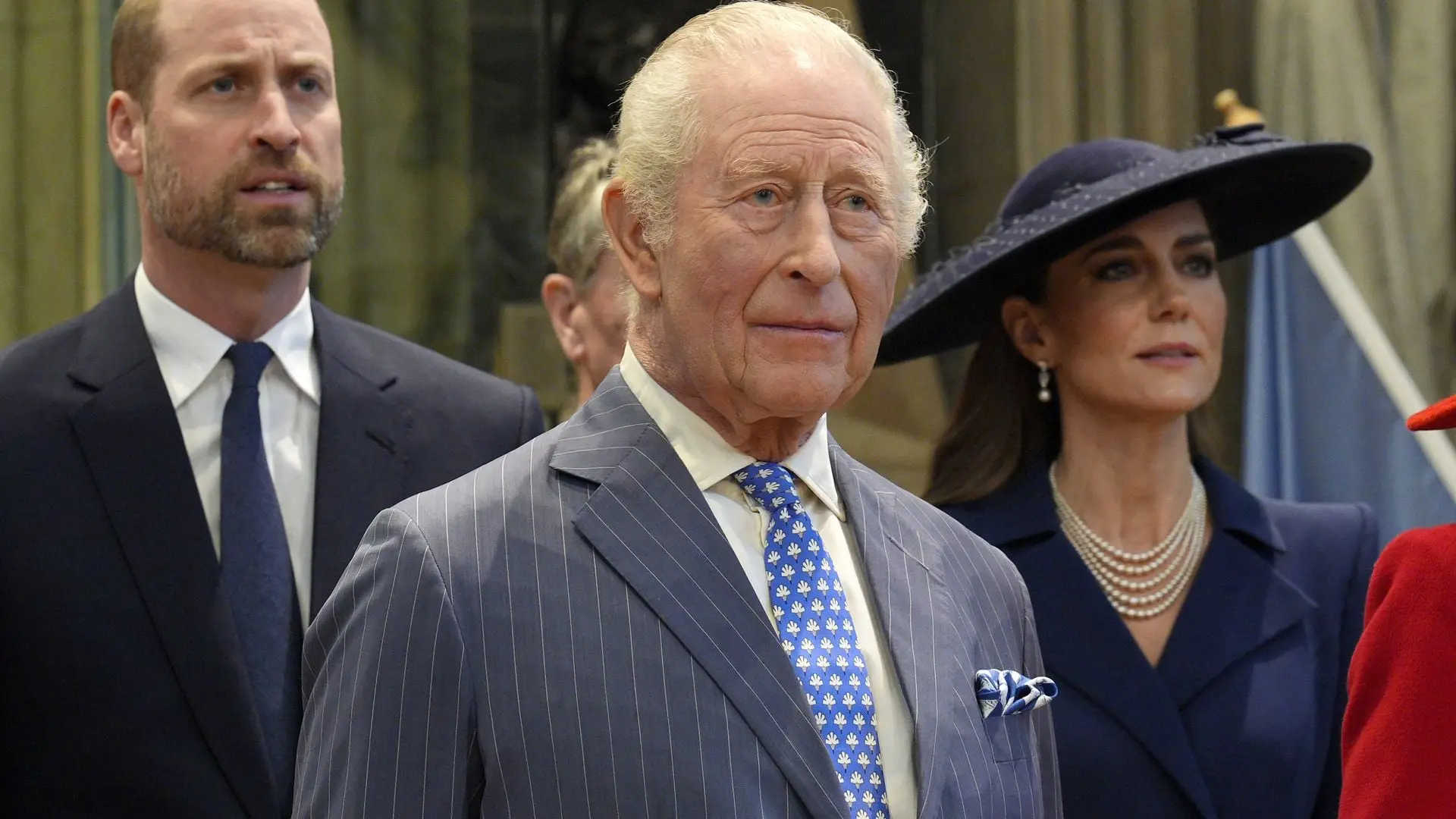
A British radio station plunged its listeners into shock and confusion earlier this week when it falsely announced the death of King Charles III. Radio Caroline, an iconic offshore station that broadcasts across parts of England, inadvertently triggered its official "death of a monarch" protocol on May 19, leading to a bizarre sequence of events that left many believing the sovereign had passed away.
The incident occurred when a computer glitch in the station's main studio activated a pre-prepared script designed for the solemn occasion of a monarch's death. Presenters interrupted regular programming and declared: "This is Radio Caroline. We have suspended our normal programs as a mark of respect following the passing of His Majesty King Charles III." The announcement was followed by a broadcast of "God Save the King," after which the station fell into complete silence for approximately 15 minutes. Listeners quickly took to social media to express their shock and bewilderment, with some reporting that they had rushed home or called family members in panic.
Station manager Peter Moore issued an apology on Facebook shortly after the incident. "Due to a computer error in our main studio, the protocol for the death of a monarch was accidentally activated," he wrote. "We apologize to His Majesty the King and to our listeners for any upset caused." The station restored regular programming and aired a formal apology on air. Many listeners shared their reactions online: one said, "I burst into the house and shouted to my wife: 'He's dead! Charlie is dead!' She looked at me confused." Another added, "I heard it on the car radio and wondered for a moment if it was true or a bad joke."
Timing of the False Report
The error could not have come at a more awkward time. At the very moment Radio Caroline was broadcasting the false death announcement, King Charles and Queen Camilla were carrying out official engagements in Northern Ireland. The royal couple were in the Titanic Quarter of Belfast, watching folk dancers, meeting local artists, and sampling Irish whiskey, as reported by international outlets. The juxtaposition of the somber radio announcement and the king's public appearances underscored the absurdity of the situation.
This is not the first time false death rumors have swirled around King Charles. Since he publicly revealed his cancer diagnosis in February 2024, unsubstantiated claims about his health have proliferated online. In March 2024, Buckingham Palace was forced to issue an official denial after Russian media outlets spread a false report of the king's death. The palace described those reports as "categorically untrue" and urged the public to rely only on official communications.
Background: The Royal Family and Death Protocols
The incident highlights the elaborate protocols that British broadcasters maintain for the death of a senior royal. Each station is required to have a detailed plan, often codenamed "Operation London Bridge" for the queen's death, and now updated for King Charles. The protocol includes specific music, scripts, and a period of silence to allow the nation to mourn. Radio Caroline's mistake demonstrates how such sensitive procedures, when triggered accidentally, can spread misinformation rapidly in an era of instant communication.
Radio Caroline itself has a storied history. Launched in 1964 as a pirate radio station broadcasting from a ship in international waters, it pioneered pop music broadcasting in the UK when the BBC had a monopoly. Over the decades, it evolved into a licensed broadcaster with a loyal following, known for its eclectic music and independent spirit. The station's accidental death announcement is an ironic twist for an outlet that once circumvented establishment rules.
King Charles's Health and Public Appearances
King Charles, now 77, has maintained a busy schedule despite his cancer treatment. He and Queen Camilla have continued to undertake public duties, including state visits and ceremonial events. In March 2026, they attended the Commonwealth Day Service at Westminster Abbey alongside Prince William and Catherine, Princess of Wales. In April 2026, they completed a state visit to the United States, meeting with President and First Lady. The king also participated in the Royal Maundy Service at St Asaph Cathedral in Wales, distributing Maundy money to pensioners.
His cancer diagnosis, announced in February 2024, was described as a form of cancer discovered during treatment for a benign prostate condition. The palace stated that the king would undergo regular treatment and reduce public engagements but did not provide specific details. Since then, Charles has balanced his health needs with his constitutional duties, often working from Windsor Castle or Sandringham when not appearing in public. The false death reports, while distressing, have not deterred the king from his official responsibilities.
Impact and Lessons for Media
The incident at Radio Caroline serves as a cautionary tale for broadcasters about the risks of automated protocols and the speed at which misinformation can spread. In an age where social media amplifies every claim, a mistaken announcement—even if quickly corrected—can cause real-world panic and undermine trust in media. The station's swift apology was necessary, but the event raises questions about the safeguards in place to prevent similar errors. Other broadcasters may review their own systems to ensure that a simple computer glitch does not inadvertently trigger a national crisis of misinformation.
The British monarchy, while a symbol of stability, has faced numerous challenges in the modern era, from tabloid scandals to public debates about relevance. False death reports, whether accidental or malicious, add another layer of complexity. The king's staff regularly monitor online rumors and have protocols for rapid denial. However, when a legitimate radio station becomes the vector, the damage can be more significant.
Listeners of Radio Caroline expressed mixed reactions. Some defended the station, noting that the error was unintentional and that the apology was genuine. Others criticized the lack of oversight, arguing that such a mistake could erode public confidence. One listener wrote on X (formerly Twitter): "Radio Caroline pulled a prank on the whole country. Imagine if it had been real—everyone would have gone into mourning for 15 minutes until someone checked with the palace." Another replied: "It's a sign of our times—even radio stations can't be trusted anymore."
The event also sparked discussions about the role of death protocols in an era when news travels instantaneously. Some commentators suggest that the tradition of a period of silence may be outdated when the public can verify facts within seconds via smartphones. Others argue that the protocols provide a dignified way for the nation to pause and reflect, regardless of the medium.
For now, the king remains active and in good spirits. Reports from his Northern Ireland visit showed him laughing and engaging with locals. The false death announcement, while embarrassing for Radio Caroline, will likely become a footnote in the history of royal reporting. But it serves as a reminder that even in the most serious of moments, human error—or computer glitches—can create chaos.
Source: Promiflash.de News