

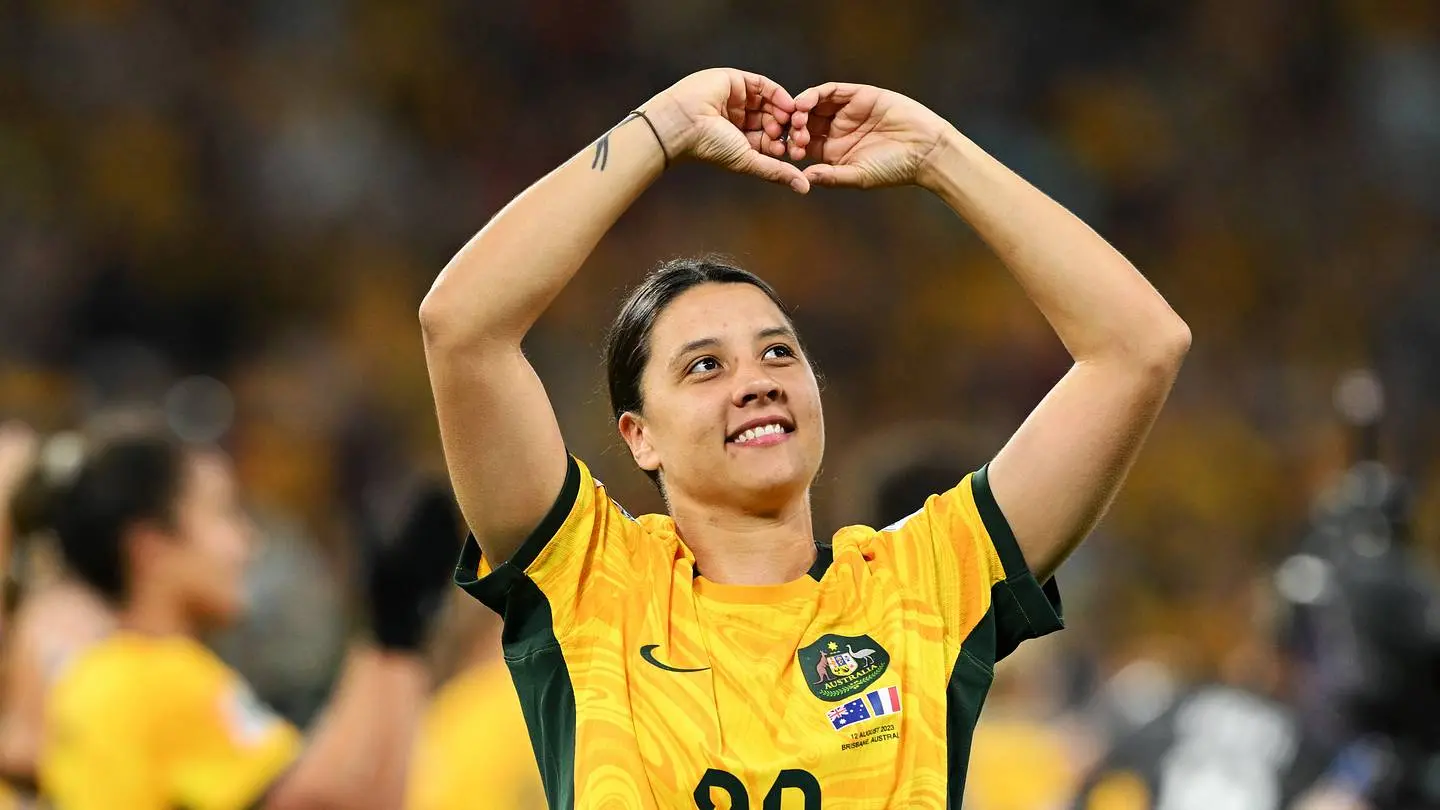
When Chelsea striker Sam Kerr and her partner, US international Kristie Mewis, announced they were expecting a baby, the news was met with an outpouring of joy from teammates and fans. But within hours, homophobic comments flooded social media platforms, revealing that even women’s football – often hailed as a safe space for LGBTQ+ individuals – is not immune to bigotry. The incident has sparked a fresh debate about the state of homophobia in football, the challenge of maintaining an inclusive environment as the women’s game grows, and the responsibility of clubs and platforms to protect players from abuse.
A Celebrated Player’s Personal News
Sam Kerr, 30, is one of the most dominant strikers in women’s football history. Born in Australia, she began her professional career with Perth Glory in the W-League before moving to the NWSL, where she played for the Chicago Red Stars and Sky Blue FC. In 2020, she joined Chelsea, quickly becoming the club’s all-time leading scorer with over 100 goals and winning multiple Women’s Super League titles, FA Cups, and the UEFA Women’s Champions League. She has also been a key figure for the Australian national team, leading them to a fourth-place finish at the 2023 FIFA Women’s World Cup. Her relationship with Kristie Mewis, a midfielder for NJ/NY Gotham FC and the US women’s national team, has been public since 2021, and the couple often share their lives on social media. So when Kerr posted a photo of a baby onesie next to a children’s book and a pair of tiny soccer boots, it was a moment of pure joy for their followers.
The Hateful Backlash
Within hours of the announcement, the comments section on Chelsea’s post became a battleground. Many users expressed confusion about how two women could have a child, while others used homophobic slurs and questioned the morality of same-sex parenthood. Prominent accounts with millions of followers amplified the hate. One such influencer, known as “UTD Trey” on X, posted that he “couldn’t deal with homosexuals having kids,” sparking a wave of supportive replies from like-minded bigots. Chelsea was forced to delete the original post and later reposted with comments disabled. The club’s women’s coach, Sonia Bompastor, condemned the abuse, saying, “It’s crazy how people can react like that. Sam has our full support.” Chelsea Pride, the club’s LGBTQ+ fan group, released a statement declaring, “No to hate is not just a slogan, it’s a call to action. We refuse to stand by in silence.”
The Safe Space Under Threat
Women’s football has long prided itself on being an inclusive oasis – a stark contrast to the often toxic masculinity of men’s football. Players like Pernille Harder and Magdalena Eriksson are open about their relationship and advocate for LGBTQ+ rights. Rainbow armbands are worn without controversy, and many stadiums offer a welcoming atmosphere for fans of all sexual orientations. Yet the Kerr-Mewis case shows that this safe space is fragile. While most of the abusive comments came from accounts that primarily follow men’s football, some so-called women’s football fans also joined in. This reveals that the growth of the women’s game is bringing with it not only new supporters but also the prejudices from the broader football culture.
Homophobia: A Persistent Problem in Both Games
The incident is part of a wider pattern. In men’s football, homophobic chants and remarks are still common. Players like Kevin Behrens and Felix Nmecha have made homophobic comments in recent memory, and no active top-league player has come out while still playing. The fear of backlash from teammates, fans, and sponsors remains a major barrier. The women’s game was thought to be different, but episodes like this show that homophobia can surface here as well. Earlier this year, a German women’s match was disrupted by a homophobic banner displayed by away fans. And now, one of the world’s most famous players faces virulent abuse for starting a family. The double standard is clear: women are celebrated when they conform to heterosexual norms but vilified when they do not.
The Role of Social Media
Social media platforms like X have made it easier for hate to spread. Under Elon Musk’s leadership, content moderation has loosened, and algorithms often reward controversial posts with increased visibility. The fact that an account with over a million followers can post a homophobic remark without immediate consequence sends a message that such behavior is acceptable. Clubs and players who use these platforms to connect with fans must now also navigate the toxicity that comes with mass engagement. Some teams have begun limiting comments or using third-party moderation tools, but the problem is systemic. Without stronger action from platforms, players will continue to be vulnerable to targeted harassment.
The Challenge of Growing an Inclusive Sport
Women’s football is experiencing unprecedented growth. Attendance records are breaking, broadcast deals are expanding, and more fans are coming to matches. Many clubs actively market to supporters of their men’s teams, hoping to fill stadiums. This strategy has financial benefits, but it also risks importing the negative aspects of men’s football culture – including sexism, aggression, and homophobia. The sport must find a way to grow without sacrificing the values that made it special. That means investing in fan education, enforcing strict codes of conduct in venues, and ensuring that players receive robust support when they are targeted. It also means that clubs must be willing to alienate bigoted fans, even if that means losing some revenue in the short term.
The Way Forward
There is no easy solution. Education campaigns, stronger moderation, and visible allyship from clubs and players are all necessary. But the most important shift must come from the culture itself. Fans who attend women’s matches must actively challenge homophobic language and make it clear that such views are unwelcome. Social media users can report hate speech instead of amplifying it. The football community must collectively decide that inclusivity is non-negotiable. Sam Kerr and Kristie Mewis deserve to celebrate their family without fear. Their story should be a source of inspiration, not a trigger for hate. If women’s football is truly to be a safe space, it must prove that it can protect its own.
Source: 90min.de News