

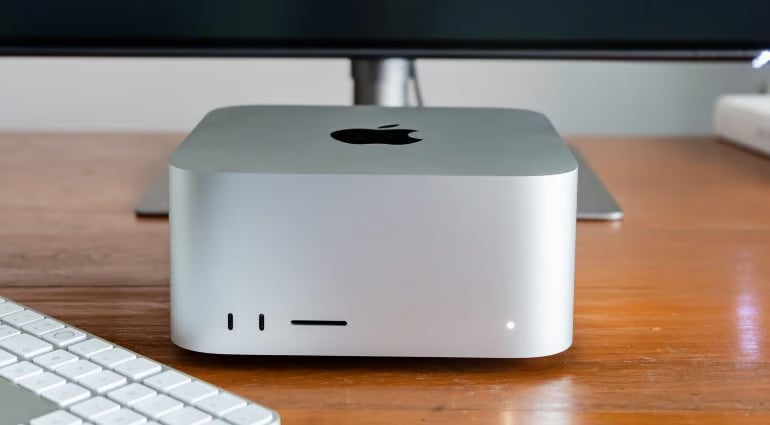
Apple's desktop Mac lineup is undergoing a quiet but significant transformation. Amid surging demand for AI-capable computers and an ongoing global memory chip shortage, the company has removed several high-end RAM configurations from the Mac Studio and Mac mini. The changes, first reported by MacRumors and visible on Apple's online store this week, strip buyers of previously available upgrade paths and, in some cases, push starting prices higher.
Which configurations were cut?
The most dramatic reduction affects the M3 Ultra Mac Studio. Previously, customers could equip the machine with up to 256GB of unified memory—a configuration prized by professionals running massive datasets, virtual machines, or local AI models. That option is gone; the M3 Ultra Mac Studio now tops out at 96GB. The M4 Max Mac Studio has also lost its 128GB memory configuration, leaving buyers with a maximum of 64GB or 96GB depending on the chip.
The downgrades extend to the Mac mini lineup. The M4 Pro Mac mini no longer offers a 64GB RAM option, limiting buyers to either 24GB or 48GB. Meanwhile, the standard M4 Mac mini has seen its 32GB memory variant removed; shoppers now must choose between 16GB and 24GB. These reductions follow an earlier round of cuts: in March 2025, Apple eliminated the 512GB memory option for the Mac Studio, and the company recently dropped the 256GB storage version of the Mac mini, effectively raising the entry price from $599 to $799.
Why is this happening?
Apple attributes the changes to a dual problem: rapidly growing demand for high-memory Macs from developers and researchers running AI workloads locally, combined with a worldwide shortage of the advanced memory chips used in those systems. Apple's unified memory architecture—where the CPU, GPU, and Neural Engine share a single pool of high-bandwidth memory—has become a favorite among AI practitioners. Applications like running large language models (e.g., Llama 3, Mistral) or agentic AI software demand large amounts of RAM, often 64GB or more.
At the same time, the broader tech industry is competing for the same memory chips used in AI servers and data centers. Global memory suppliers like Samsung, SK Hynix, and Micron have prioritized high-margin HBM (High Bandwidth Memory) for AI accelerators, leaving less capacity for the LPDDR and DDR modules used in consumer and professional Macs. The result is a supply crunch that shows no signs of easing soon.
Impact on availability and wait times
Even with fewer configurations on sale, delivery estimates have stretched dramatically. Reports indicate that some Mac Studio models now show shipping estimates of 9 to 10 weeks, while certain Mac mini configurations could take 10 to 12 weeks to arrive. The shortages are spreading beyond desktops: higher-memory versions of Apple's MacBook Pro lineup are also experiencing longer shipping delays, suggesting the memory constraint affects the entire Mac portfolio.
Tim Cook addressed the issue during Apple's most recent earnings call. "We think, looking forward, that the Mac mini and Mac Studio may take several months to reach supply-demand balance," he said. Cook acknowledged that Apple underestimated the surge in demand from users seeking machines capable of running AI tools locally. He added that rising memory prices are expected to continue affecting the company in the coming months.
Historical context: Apple's memory strategy
Apple has long maintained a strategy of offering a limited number of RAM and storage configurations, often with soldered components that prevent user upgrades. This approach gives Apple tighter control over performance and reliability but leaves buyers at the mercy of the company's configuration matrix. Over the past decade, Apple has gradually increased base memory: the first Mac mini in 2005 started with 256MB; today's base is 16GB. But the current cuts mark an unusual retreat from high-end options, driven not by a design change but by external supply pressures.
The memory shortage is part of a broader cyclical downturn and then recovery in the semiconductor industry. After a glut in 2023, memory prices fell, but the explosive growth of AI in 2024 and 2025 reversed that trend, leading to tight supply and rising costs. For Apple, which purchases memory in massive volumes, the situation is particularly acute for the highest-capacity chips that require advanced manufacturing processes.
What does this mean for buyers?
For professionals who need large amounts of RAM—video editors, software developers, data scientists, and AI researchers—the removal of 256GB and 128GB options is a significant blow. The Mac Studio, once capable of rivaling workstation-class PCs in memory capacity, now offers less than many Windows-based alternatives. Those who require more than 96GB must either wait for future Apple silicon iterations or consider non-Apple systems.
Casual users may feel less impact. The remaining configurations—up to 48GB on the Mac mini and 96GB on the Mac Studio—still handle most productivity tasks, creative work, and even moderate AI workloads. However, the reduced choices and longer wait times could push some buyers toward refurbished models or secondhand units that retain the higher memory options. Apple's refurbished store is a potential source, though stock is likely limited.
Broader industry implications
The memory squeeze is not unique to Apple. PC manufacturers such as Dell, HP, and Lenovo are also facing similar challenges, though they often offer more flexible configurations and user-upgradeable RAM. Apple's unified memory, while fast and efficient, cannot be upgraded after purchase, making the configuration choices even more critical. The current situation highlights the risk of soldered memory in an era of volatile supply chains.
Moreover, the AI boom is reshaping hardware priorities across the tech industry. Apple's investment in the M-series chips, with their integrated Neural Engine and high-bandwidth memory, positions the company well for on-device AI inference. But without an adequate supply of large memory modules, the potential of those chips remains partially untapped. Developers eager to run large models locally may need to rely on cloud services or downgrade their ambitions until memory supply normalizes.
Looking ahead
Apple is likely working to secure additional memory allocations from suppliers, but the global nature of the shortage means solutions may take quarters, not weeks. The company could also accelerate its transition to next-generation memory technologies, such as LPDDR6 or stacked DRAM, to maintain performance leadership while reducing reliance on the most constrained components. Meanwhile, customers weighing a Mac Studio or Mac mini purchase should expect limited options, premium pricing for available configurations, and patience during fulfillment.
For those who must have high memory, the used market may offer temporary relief. As early adopters sell off older units to upgrade, machines with 128GB or 256GB could appear on resale platforms, though likely at a premium. Apple's own trade-in program may also surface high-spec units, but supply will be sporadic. The best strategy for now is to monitor Apple's store inventory closely and consider placing orders early, as further cuts or price increases remain possible.
Source: TechRepublic News