

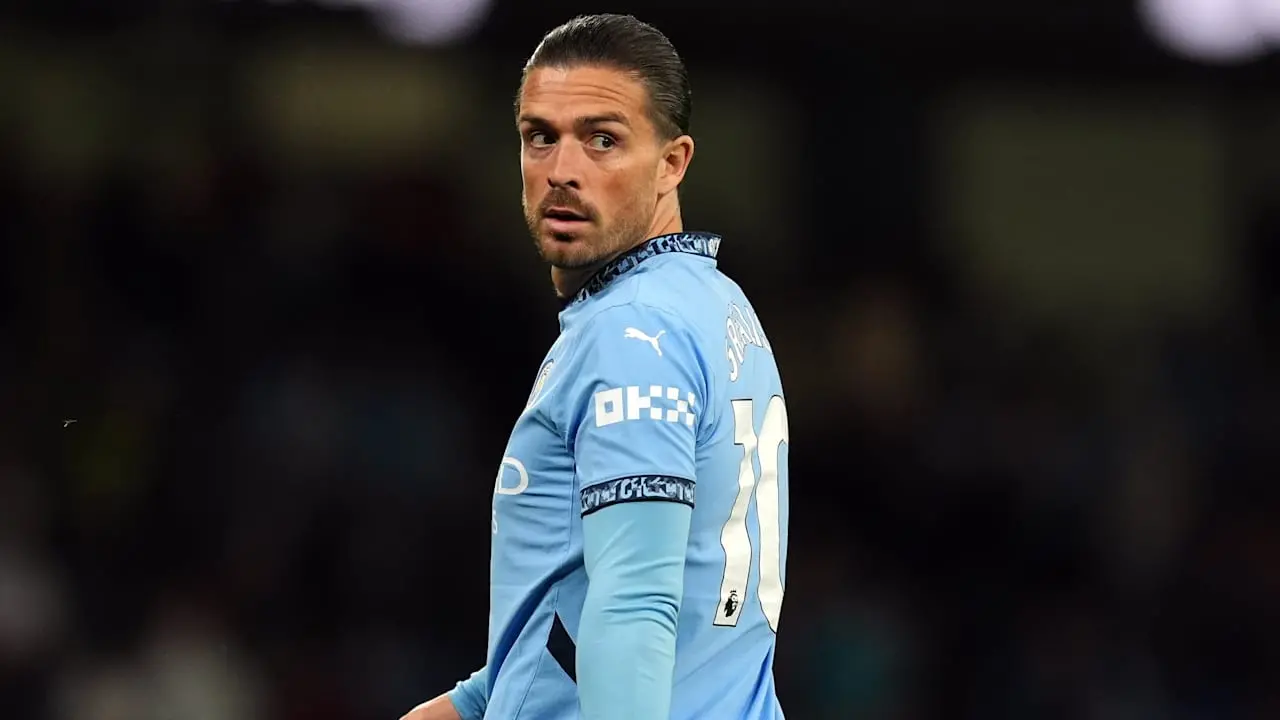
The Record Transfer That Didn't Pay Off
Jack Grealish's move to Manchester City in the summer of 2021 was one of the most talked-about transfers in Premier League history. At the time, City paid a staggering £100 million (€117.5 million) to activate his release clause at Aston Villa, making him the most expensive British player ever. The signing was seen as a statement of intent from Pep Guardiola, who wanted to add creativity, flair, and a strong dribbling presence to his already star-studded attack. Grealish had just come off an impressive season with Villa, where he captained the side and registered 6 goals and 10 assists in the league, drawing comparisons to some of the game's best wingers.
However, the move never quite lived up to expectations. While Grealish played a key role in City's historic treble-winning campaign in 2022-23, making 50 appearances and contributing to 16 goals, his form has since dipped drastically. Injuries and competition for places have seen him fall down the pecking order, with players like Phil Foden, Jeremy Doku, and even the versatile Bernardo Silva often preferred on the flanks. This season, Grealish managed only 32 appearances across all competitions, scoring just three goals, and was notably left out of the squad for the Club World Cup. His minutes on the pitch dwindled to just over 1,500, a far cry from the key man he was expected to be.
Decline in Form and Fitness
The decline has been alarming for a player who once seemed destined for greatness. Grealish's dribbling ability, which was his primary weapon at Aston Villa, has become less effective in Guardiola's system. Opponents have learned to double-team him, and his lack of explosive pace has been exposed in the Premier League's fast-paced environment. Injuries have been a recurring issue; since joining City, he has missed significant time with shin, hamstring, and groin problems, breaking his rhythm and confidence. His decision-making in the final third has also been criticized, with many arguing that he holds onto the ball too long or takes too many extra touches instead of releasing passes early.
Guardiola has publicly defended his player, stating in June that the only reason for Grealish's reduced role was his own tactical choices, not any disciplinary issue. The Catalan coach emphasized the winger's quality and credited him for the treble triumph, saying, "Without Jack, we would not have won the treble." Yet, actions speak louder than words, and the decision to leave him behind for the Club World Cup was a clear signal that Grealish no longer fits into Guardiola's immediate plans.
What Went Wrong for Grealish?
Several factors have contributed to Grealish's fall from grace. One is the tactical evolution of Manchester City. Guardiola has increasingly favored a more direct style of play, with wingers who can stretch defenses and deliver crosses early. Grealish, by contrast, is a possession-based winger who likes to keep the ball and draw fouls—a style that can slow down attacks. Additionally, City's signing of Jeremy Doku in the summer of 2023 brought a different dimension; the Belgian is faster, more unpredictable, and better at taking on defenders one-on-one. Grealish's natural position on the left is now also occupied by Phil Foden, who has developed into one of the league's most creative players, often drifting inside and linking with midfield.
Another factor is Grealish's off-field lifestyle. While never publicly criticized, there have been reports of his partying habits and expensive tastes, which some pundits believe have affected his professionalism. The pressure of being a record signing and the weight of a high-profile transfer fee may have also taken a toll mentally. Whatever the reasons, Manchester City's patience has worn thin, and the club is now actively seeking a buyer.
Interested Parties and Potential Moves
Despite his struggles, Grealish still has admirers. Several top clubs are reportedly monitoring his situation, attracted by the relatively low asking price. Tottenham Hotspur are said to be keen, with manager Ange Postecoglou looking for a creative wide player who can play in his high-intensity system. Newcastle United, backed by their Saudi owners, also have the financial muscle to meet the fee and wages, though their need for a winger is less urgent after signing Harvey Barnes and Miguel Almirón's recent form. In Italy, Napoli have been linked, as new manager Antonio Conte looks to rebuild the squad after a disappointing Serie A title defense. Conte is known for favoring experienced, hard-working wingers who can also contribute defensively—a trait Grealish has shown at times.
Perhaps the most emotional option is a return to Aston Villa, the club where Grealish became a fan favorite and a talisman. Villa have since invested heavily in their squad under Unai Emery, qualifying for the Champions League in 2024. Re-signing Grealish would be a nostalgic move, but Villa's current attacking setup with Leon Bailey, Moussa Diaby, and Jacob Ramsey might leave little room. Nonetheless, Villa's strong financial position and the player's emotional connection could make a deal possible, especially if Grealish is willing to take a pay cut.
Financial Implications for Manchester City
From a financial standpoint, selling Grealish for £40 million represents a massive loss of £71.5 million on the initial transfer fee. However, City may have little choice. The Premier League's Profit and Sustainability Rules (PSR) are becoming stricter, and clubs are under increasing pressure to balance their books. Offloading a high earner like Grealish, who reportedly earns £300,000 per week (over £15 million per year), would free up significant wage budget and reduce losses on the balance sheet. Moreover, City could amortize the loss over the remaining years of Grealish's contract, minimizing the impact on a single financial year.
The club's hierarchy, led by Txiki Begiristain, has a reputation for ruthless decision-making when it comes to squad management. Past examples include selling high-profile players like Leroy Sané and Raheem Sterling when they no longer fit the system or demanded better wages. Grealish's situation is similar, and the club is likely to accept any reasonable offer to cut their losses. The upcoming transfer window will be crucial, as City need to generate funds to potentially reinforce other areas, especially after losing Ilkay Gündogan and with Kevin De Bruyne entering the final phase of his career.
What's Next for Jack Grealish?
At 29 years old, Grealish still has several years of top-level football ahead of him. A move to a club where he can be a main attacking threat could revitalize his career. Teams like Tottenham or Newcastle would allow him more freedom and responsibility, something he thrived on at Villa. A fresh start away from the intense scrutiny at City might also help him rediscover his form. Guardiola's system demands a specific type of player, and not everyone can adapt; Grealish's skills might be better suited to a more direct, counter-attacking style.
There is also the possibility of a move abroad, with Napoli and other European clubs interested. Serie A could suit his technical ability, as the league is generally less physically demanding than the Premier League and allows more time on the ball. However, the cultural and lifestyle changes might be a challenge for a player who has spent his entire career in England.
Whatever happens, Jack Grealish's time at Manchester City is all but over. The club has made it clear they are willing to accept a huge loss to move on, and the player himself will likely be eager for regular playing time ahead of potential England call-ups. The transfer saga will be one to watch as the summer window progresses, with several clubs weighing up a deal for the once-heralded winger.
Source: sportbild.bild.de News