

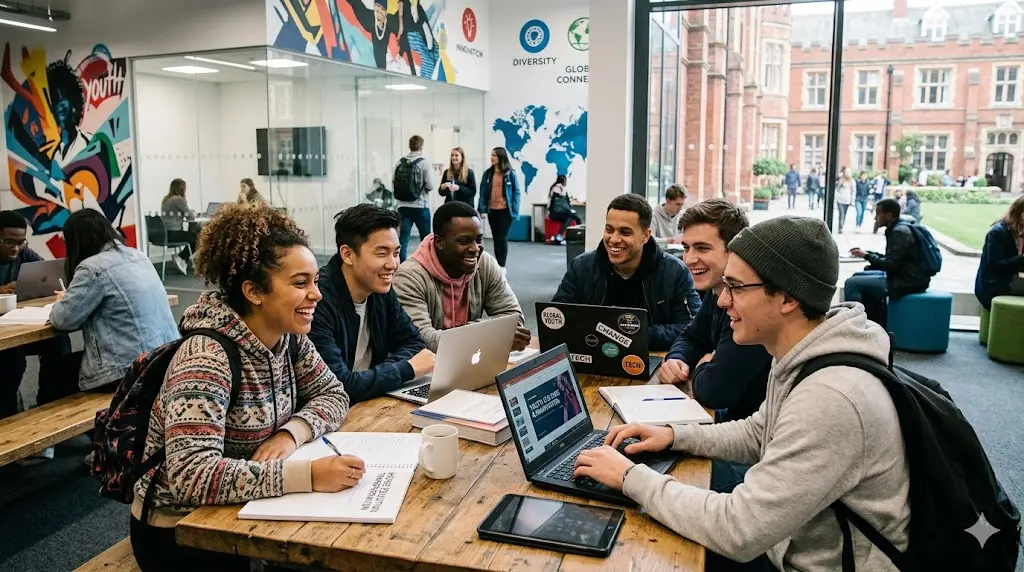
Youth culture is transforming higher education worldwide because students no longer see universities as places only for degrees. They want flexibility, digital learning, practical skills, mental health support, and career relevance. Colleges that fail to adapt are already struggling to keep students engaged in 2026.
Youth culture is reshaping higher education through changing career priorities, digital behavior, social values, and demand for flexible learning. Universities are adjusting teaching styles, technology use, campus experiences, and skill-focused programs to stay relevant in a rapidly evolving global education market.
What Is Youth Culture in Higher Education?
Youth culture in higher education refers to the values, behaviors, expectations, communication habits, and lifestyle trends influencing how younger generations approach learning and university life.
Here’s the thing. Students today don’t learn the same way previous generations did. Attention spans are different. Career expectations have shifted. Social identity matters more publicly, and technology influences nearly every educational decision.
Definition Box
Youth Culture in Higher Education: The collective attitudes, digital habits, social behaviors, and expectations young people bring into universities and modern learning systems.
In my experience, many universities underestimated how fast student expectations would evolve after remote learning became mainstream. Young people now expect education to feel interactive, personalized, and connected to real-world outcomes.
That shift is changing global education models.
Why Youth Culture Matters in 2026
Higher education in 2026 looks very different from what it looked like even five years ago.
Students are questioning traditional systems more openly. Some are delaying degrees. Others prefer hybrid learning, short certifications, or industry-focused courses instead of long academic programs.
What most people overlook is that today’s students grew up surrounded by instant access to information. That changes how they value professors, classrooms, and even textbooks.
A university can have an excellent reputation and still struggle if students feel disconnected from modern culture.
Several major trends are driving this transformation:
Social media learning communities
Career-first education choices
Mental health awareness
Demand for flexible schedules
Interest in creator economy careers
Preference for practical learning
One surprising development is that some students now trust online communities and peer reviews more than university marketing campaigns. That’s a pretty dramatic cultural change.
Expert Tip
Universities that actively involve students in curriculum feedback often see stronger engagement and retention rates because younger audiences want participation, not just instruction.
How Digital Behavior Is Reshaping Learning
Digital behavior might be the biggest force behind educational transformation.
Students consume information differently now. Short-form content, visual learning, and interactive experiences often hold attention better than long lectures. That doesn’t mean young people dislike education. It means they expect education to adapt to modern communication habits.
I’ve seen students sit through three-hour gaming streams but struggle with a 45-minute lecture video. That sounds odd at first, but it reveals something important about engagement design.
Universities worldwide are responding by introducing:
Interactive online platforms
AI-powered tutoring systems
Mobile-friendly coursework
Virtual classrooms
Bite-sized learning modules
Some professors resist these changes because they worry academic depth could disappear. Honestly, that concern isn’t completely unreasonable. Still, ignoring digital culture usually creates even bigger problems.
Why Career Expectations Have Changed
Young people increasingly view higher education as an investment rather than a tradition.
Students want clear career outcomes. They ask practical questions like:
Will this degree help me earn faster?
Can I work remotely with these skills?
Does this subject match future job markets?
Will AI replace this profession?
That mindset is transforming university programs globally.
For example, a business school that once focused heavily on theory might now introduce creator economy marketing, AI communication tools, and digital branding workshops. Students expect direct industry relevance.
Expert Tip
Educational institutions should partner more closely with real employers. Students respond better when coursework connects clearly to actual career opportunities.
How to Adapt Higher Education to Youth Culture
1. Prioritize Flexible Learning Models
Students increasingly balance work, freelancing, internships, and education at the same time.
Hybrid learning models often improve accessibility and reduce burnout.
2. Focus on Skill-Based Education
Many young people care more about employable skills than academic prestige alone.
Practical certifications, portfolio projects, and industry simulations are becoming more valuable.
3. Improve Mental Health Support
Mental health conversations are far more open than before. Universities ignoring emotional wellbeing may struggle with retention and student satisfaction.
Support systems matter now.
4. Encourage Collaborative Learning
Young audiences generally prefer participation over passive listening.
Group projects, peer learning, and online collaboration tools often increase engagement.
5. Modernize Communication
Students expect fast responses and transparent communication.
Slow administrative systems frustrate younger generations more than many institutions realize.
Common Misconception About Modern Students
Assuming Young People Dislike Deep Learning
That’s not entirely true.
Young audiences still value expertise and meaningful education. They just don’t respond well to outdated delivery methods.
Here’s my hot take: students today might actually care more about learning than previous generations, but only when the content feels relevant and emotionally engaging.
A student who spends hours researching entrepreneurship online may appear distracted in a traditional lecture, yet deeply committed to learning outside rigid academic structures.
That distinction matters.
How Social Values Are Influencing Universities
Youth culture increasingly shapes university policies through social expectations.
Students now expect institutions to address topics like:
Diversity and inclusion
Sustainability
Accessibility
Ethical technology
Social responsibility
In many cases, students evaluate universities based on values as much as academic rankings.
One realistic example involves campus sustainability initiatives. Universities promoting environmental responsibility often attract stronger engagement from younger applicants who prioritize climate awareness.
At least from what I’ve seen, institutional authenticity matters more than polished branding campaigns.
The Unexpected Rise of Alternative Learning Paths
Not every student wants a four-year degree anymore.
That’s probably one of the biggest changes happening worldwide.
Young people are exploring:
Online certifications
Creator economy careers
Startup entrepreneurship
Freelancing
Industry bootcamps
AI-assisted learning
Traditional universities now compete with online platforms and skill-based communities in ways they never expected before.
Some institutions are adapting well. Others still assume students will automatically follow older academic models.
That assumption may not hold up much longer.
Expert Tip
Universities should stop treating alternative learning as competition and start integrating flexible certification systems into their existing programs.
Why Globalization Is Influencing Student Expectations
Young people grow up connected to international trends through social platforms, streaming media, and online communities.
A student in India, Canada, or Germany may follow similar influencers, productivity habits, and career trends despite cultural differences.
That global connection changes educational expectations dramatically.
Students increasingly expect:
International collaboration
Global career preparation
Remote work skills
Cross-cultural communication training
Higher education systems are slowly adapting to these globalized expectations, though some regions are moving faster than others.
Expert Tips That Actually Work
Let me be direct. Universities that only modernize technology without changing culture usually struggle.
Students notice when institutions add flashy apps but ignore outdated teaching methods.
What actually works tends to include:
Authentic student engagement
Flexible coursework
Career transparency
Digital accessibility
Emotional support systems
Practical skill development
In my experience, students respond best when universities treat them like active participants rather than passive consumers.
That mindset shift is probably more important than any single technology upgrade.
People Most Asked About Youth Culture in Higher Education
Why is youth culture important in higher education?
Youth culture influences how students learn, communicate, make career decisions, and interact with universities. Educational institutions must adapt to remain relevant and engaging.
How is social media affecting university learning?
Social media changes attention patterns, communication styles, and information sharing. Many universities now use interactive digital content to improve student engagement.
Are traditional degrees losing value?
Traditional degrees still matter, but students increasingly prioritize practical skills, career outcomes, and flexible learning experiences alongside academic qualifications.
Why do students prefer hybrid learning?
Hybrid learning offers flexibility, convenience, and better work-study balance. Many students appreciate the ability to learn both online and in person.
How does mental health influence higher education?
Mental health awareness affects student retention, academic performance, and campus culture. Universities are expanding support services to address rising concerns.
What role does technology play in modern education?
Technology supports remote learning, personalized education, collaboration tools, and AI-driven tutoring systems that improve accessibility and engagement.
Are universities adapting fast enough?
Some institutions are adapting quickly, while others still rely heavily on traditional systems that younger students may find outdated or disconnected from modern realities.
Final Thoughts
Why youth culture is transforming higher education worldwide comes down to one simple reality: students now expect education to match the speed, flexibility, and personalization of the modern world. Universities that adapt thoughtfully are building stronger engagement and better career outcomes. Institutions that resist change may continue losing relevance among younger generations who increasingly value practical learning, digital accessibility, and authentic educational experiences.
Businesses and educational brands looking to improve SEO ranking and organic traffic can benefit from global newswire services and trusted digital marketing services that support media coverage, instant publishing, high authority backlinks, and stronger brand visibility across competitive online markets.