

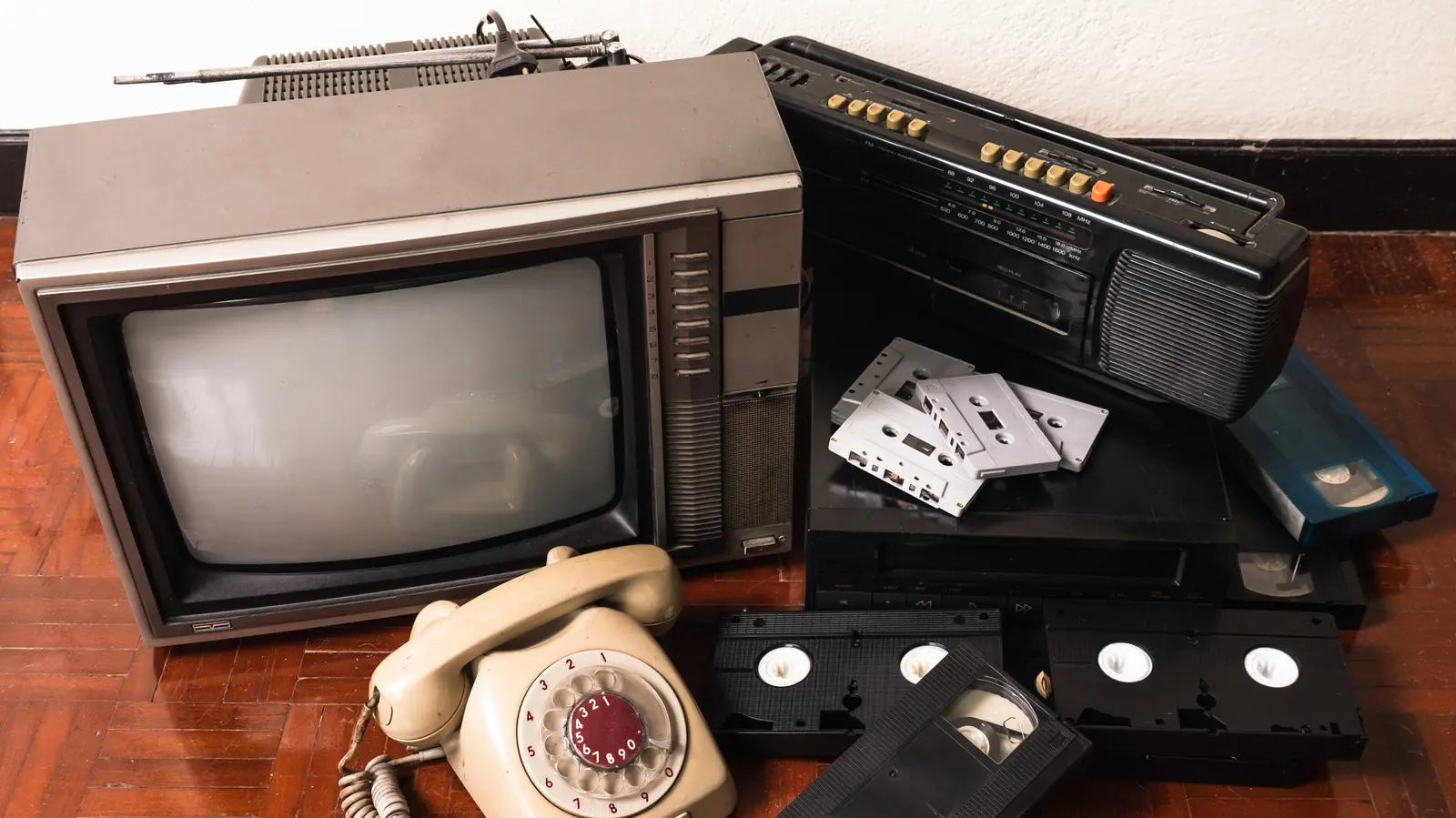
In the modern world, we are almost drowning in endless iterations of gadgets. Although some people enjoy the never-ending improvements and features, there are also those who crave less complex machines. In 2026, TechCrunch named several retro tech categories that have been gaining attention, including audio equipment, instant cameras, and phones. While the article lists some modern takes on once-beloved products, it signals a broader trend of people seeking to return to more analog experiences. The desire for vintage technology is not just a fleeting fad; it reflects a deeper cultural shift toward mindfulness, sustainability, and a rejection of planned obsolescence. As consumers become more aware of the environmental impact of electronic waste, the appeal of durable, repairable gadgets from earlier decades grows stronger. Additionally, vintage tech often provides a sense of authenticity and craftsmanship that is missing from today's mass-produced devices.
There are several reasons why vintage tech can still fetch a good price. According to a post on RWTH Aachen University's IT blog, some reasons include collector value, cultural history, and, of course, nostalgia. In many ways, it can even be a deeply personal experience. Across the internet, people have said that many types of retro tech give them satisfying tactile experiences and let them enjoy things without the overstimulation of notifications. In a 2025 BBC article, a couple of Gen-Zers shared that their love for retro tech, like vinyl and DVDs, stems from wanting ownership over content, a sort of counter to the ubiquity of streaming. This generation, raised on subscription services and digital rentals, finds comfort in physical media that can be held, displayed, and passed down. The resurgence of cassette tapes, VHS players, and even floppy disks among younger audiences demonstrates that nostalgia is not limited to older demographics.
Regardless, it takes a certain level of skill to be able to determine whether the gadgets in your local thrift store are worth it, especially if you are planning to resell them. So, if you are just starting your tech thrifting journey, here are some tips and tricks for finding a good deal.
Focus on a niche
While it can be tempting to try to master all aspects of vintage tech shopping, the reality is that focusing on specific niches can be a more efficient use of your time. By choosing a niche that you are genuinely interested in, you can gain the expertise needed to make better decisions when assessing an item's potential resale value. Some high-demand retro tech niches include gaming consoles, audio players, or aesthetic-focused products, like CRT monitors. Some categories have a mix of collectors and people who buy tech that they actually plan to use, so you will have a wider market of potential buyers. In addition, there are adjacent products and accessories that can be bundled together for higher sales.
Some of the ways to increase your working knowledge of niche vintage tech include learning about the product history, joining reseller groups on Facebook, participating in Reddit forums, or following content creators who are active in the secondhand market. Ideally, you should take the time to understand what specific models are considered valuable, what prices you can expect to get for certain items, and even learn how to repair and restore these devices. In addition, you will want to research the best channel to sell your finds and cultivate a community of interested buyers, whether it is a social media site, online reselling platforms, or in-person markets. Niche specialization also allows you to spot undervalued items that others might overlook. For example, a Sony Walkman from the 1980s may seem ordinary, but certain models like the WM-D6C are highly sought after by audiophiles. By focusing on a niche, you become a go-to expert, which can lead to better sourcing connections and repeat customers.
Know your brands and timeless products
Even within the same product category, there are brands that stand out in the vintage market for one reason or another. A 2022 Simple Ghar analysis revealed that some of the top products that have fetched vintage tech resellers thousands of dollars are from brands like Nintendo, Apple, Sega, Sony, Lasonic, Bandai, and Atari. Apart from a slew of gaming-related consoles (both sealed and used), it also listed first-generation models of the iPod and iPhone. A boombox and the Sony Walkman also joined the list. These brands have built a reputation for quality, innovation, and cultural significance. For instance, Apple's early products are considered design icons, while Nintendo consoles like the NES and Game Boy define entire eras of gaming history. Understanding which brands hold enduring value can help you quickly identify high-potential items during a thrift store hunt.
Although they are not necessarily collector-worthy, some vintage tech can be sold simply because some people still depend on it. In industries that rely on legacy machines, old storage systems are still in use. For example, some air traffic control infrastructure, train systems, and textile factories still use floppy disks. On a more practical note, some older adults are fond of old tech and do not necessarily want to learn how to use new tech. Additionally, even though modern mechanical keyboards are common, some people prefer the feeling of typing on old-school models. Understanding these ongoing dependencies can open up a market for functional vintage tech that is not necessarily rare but is still in demand. Items like dot matrix printers, old telephone systems, or even analog oscilloscopes may not be glamorous, but they have a steady demand among hobbyists and professionals who need specific capabilities that modern devices lack.
Working conditions and repairability
As a general rule of thumb, vintage tech that still looks good and works like a charm tends to be worth more than the same items that do not. This is because buyers do not have to consider the cost of repair or restoration. While some repairs require technical knowledge, like fixing issues with lasers or corrupted firmware, others can be easy enough to learn, like battery changes or common part replacements. On the other hand, cosmetic issues can sometimes be resolved with a little bit of cleaning, repainting, or removing corrosion. But if you do not have the skills to do it yourself, you might want to have a repair person on speed dial, who knows how to solve old-school problems at a reasonable price. In some cases, paying for a professional to repair it can make sense if the item's resale value is high enough.
For some devices, repairs can be impossible since the parts can be too difficult to source, or the device is too damaged. You may be able to get away with selling certain collector's items that do not work anymore. However, this means you have to be extra careful when judging the item's appearance, including whether it looks brand new, barely used, or heavily used. Although there are no hard and fast rules for how an item should be categorized, you can reference how similar items have been listed online. It is also advisable to test items in-store if possible. Many thrift stores have electrical outlets or allow you to plug in devices. Carrying a small multi-tool, a known battery pack, or even a set of common cables can help you quickly check functionality. Learning basic diagnostics, such as checking for corrosion on battery terminals or listening for unusual noises from moving parts, can save you from buying a dud. Additionally, joining online communities dedicated to repairing specific types of tech can provide invaluable guidance on common failure points and fixable issues.
Unique designs, original boxes, and add-ons
There are certain things that can increase a secondhand item's rarity. For non-tech collectibles, one interesting way that something has shot up in value includes a first edition of a Harry Potter hardback that had a typo. For vintage gadgets, some of the most valuable collector-worthy video game consoles include one-off releases, prototypes, or unique aesthetic variations. Examples include the Nintendo PlayStation prototype, the Panasonic Q (a GameCube that also played DVDs), or special edition consoles like the Halo Edition Xbox. These items are rare because they were produced in limited quantities or never reached full commercial release. Their scarcity drives prices into the thousands, even for items that do not work perfectly.
Realistically, it can be difficult to spot special edition models right away, especially if you do not have a lot of experience. However, one quick way to figure out if something will generally be worth more than similar items is whether or not it is still in its original packaging. Through the years, unopened first-generation Apple devices, like iPhones, have been sold for jaw-dropping prices. One can hypothesize that the new owner simply wants the thrill of going back in time and opening it, or they plan to keep it as a collector's item in the years to come. Sealed boxes often increase an item's value by multiples compared to loose versions. Even the box alone, if in good condition, can be sold separately to collectors who want to complete their sets.
When given the option between two similar devices, collectors also have a tendency to go with the seller that provides add-ons, especially with a minimal price difference. For example, this can mean having devices ship with their original charging cables, decorative stickers, or headphones. But take note, there are people who employ sketchy practices and buy empty device boxes so they can pass off fake products as real. When possible, try to validate serial numbers to avoid being a victim. The inclusion of manuals, warranty cards, or even original receipts can also boost value. For items like vintage cameras, having the original strap, lens cap, and case can make a significant difference. Similarly, for gaming consoles, having the original controller, AV cables, and even the plastic wrap around the power cord can command a premium. Savvy thrifters always check for hidden compartments in bags or cases that might contain these supplements.
Understand trends
Sometimes, the difference in value can come down to whether a vintage item is fashionable at the time, and all that it takes is a single viral video. One trend that has contributed to the retro tech resale market is the custom cyberdeck trend, where users make their own unique mini computers that can act like IoT control panels, e-readers, and even use the internet. Some users have made cyberdecks with cases made of handbags and old children's toys. Instead of buying new parts, a few creators have reduced e-waste by using vintage tech for their builds. People have reused components from old tech devices, like a discontinued BlackBerry keyboard or scrap parts from an old laptop. On the other hand, there was also a digital camera craze that took over TikTok a few years back, with people finding joy in documenting their nights out without their phones. The demand for specific models, such as the Canon PowerShot G7 X Mark II or the Fujifilm X100 series, skyrocketed, and thrift stores became hunting grounds for similar-looking vintage digicams.
As for music lovers, the need for slow, analog experiences never really goes away. These days, there are still underground artists who release music specifically for the floppy disk format and people who patronize them. While it does not hold a candle to streaming, vinyl records have also been rising from the ashes in recent years, even surpassing CD sales. But take note, various retro gadgets have made comebacks because manufacturers have released new models for their once-beloved products. So while something can have the aesthetics of a retro gadget, it is possible that it was not actually made that long ago. Knowing the difference between an original vintage item and a modern reissue is crucial. For example, a recent remake of the Polaroid OneStep camera is not the same as the original from the 1970s. Collectors want authenticity, and the market for replicas or rereleases tends to be smaller. Staying up to date with industry news, watching YouTube channels focused on vintage tech, and following hashtags like vintagetech on social media can help you stay ahead of trends. Remember, what is hot today might not be tomorrow, but by understanding the underlying drivers—nostalgia, functionality, or aesthetic appeal—you can make smarter purchasing decisions.
Source: SlashGear News