

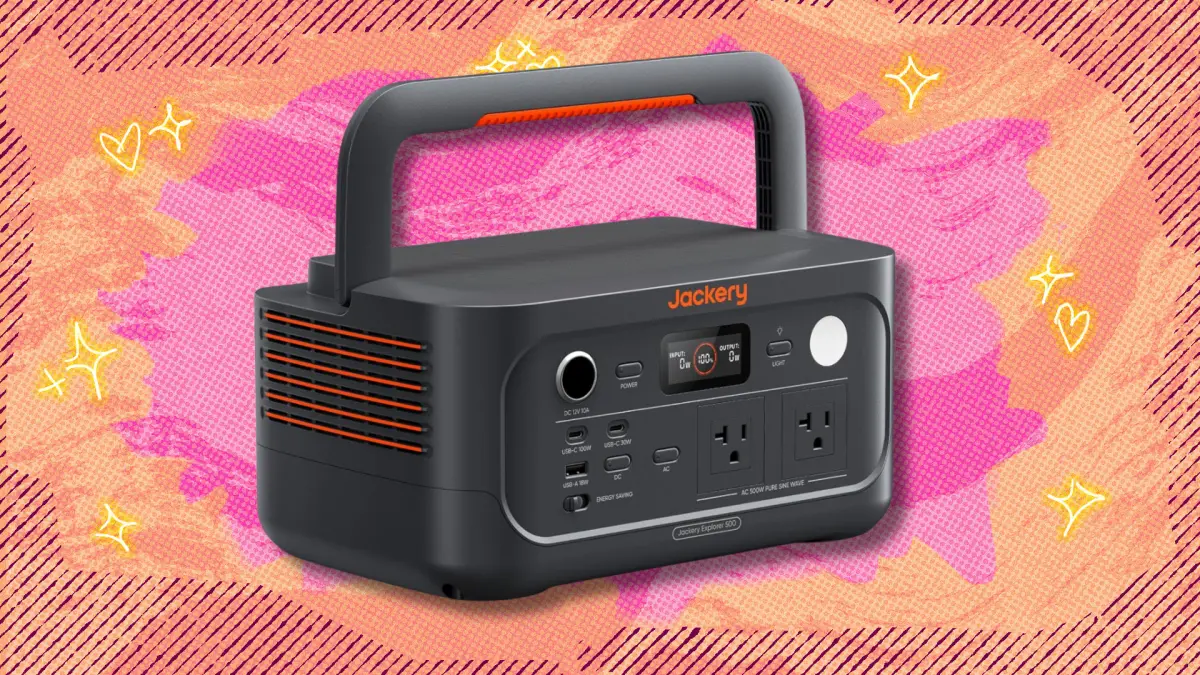
Power Up Anywhere: Jackery Explorer 500 v2 at a Steal
Whether you're facing a power outage from a summer storm or planning an off-grid camping trip, a reliable portable power station is an essential investment. These compact devices have evolved dramatically over the past decade, moving from basic lead-acid battery packs to sophisticated lithium-ion and lithium iron phosphate (LiFePO4) systems that offer longer life, faster recharge, and greater safety. Among the leaders in this space is Jackery, a brand that has become synonymous with portable power solutions for outdoor enthusiasts, remote workers, and emergency preparedness advocates.
As of May 20, you can snag the Jackery Explorer 500 v2 for just $339 at Amazon, down from its regular price of $449. That's a substantial 24% discount, saving you $110. This deal comes at a perfect time as many regions prepare for hurricane season, wildfire risks, and unexpected grid failures. But beyond emergencies, this power station opens up new possibilities for digital nomads, tailgaters, and anyone who needs electricity on the go.
Understanding the Jackery Explorer 500 v2
The Jackery Explorer 500 v2 is the upgraded version of the immensely popular original Explorer 500. It boasts a 512 watt-hour (Wh) capacity with 500 watts of rated continuous power and 1000 watts of surge power. This means it can handle a wide range of devices: from laptops and cameras to small refrigerators, CPAP machines, and power tools. The unit features two pure sine wave AC outlets, which deliver clean power safe for sensitive electronics, plus USB-A, USB-C, and a carport output.
Weighing just 14 pounds, the Explorer 500 v2 is lightweight and portable, with a foldable handle that makes it easy to carry. Its streamlined design fits comfortably in a car trunk, RV, or even a large backpack. The integrated LED light is a thoughtful addition, providing illumination during blackouts or nighttime campsite setup. But the real game-changer is the battery technology: it uses a LiFePO4 (lithium iron phosphate) chemistry, which is renowned for its thermal stability, long cycle life, and environmental friendliness.
LiFePO4: The Battery Revolution
LiFePO4 batteries have become the gold standard for portable power stations. Unlike the older lithium-ion (NMC) batteries, LiFePO4 offers up to 6000 charge cycles—that's over 10 years of daily use with minimal degradation. The Jackery Explorer 500 v2's battery also features a remarkably low self-discharge rate: only 5% loss over six months of storage. This means you can charge it, leave it in your emergency kit, and trust it will still have power when you need it.
Another advantage is charging speed. This power station can recharge from 0 to 80% in under an hour using an AC wall outlet. It also supports solar charging, making it a sustainable choice for off-grid living. Jackery offers compatible solar panels, but you can also use third-party panels with the appropriate connector. This capability aligns with the growing trend of renewable energy independence, as more people seek to reduce their reliance on fossil fuels and grid electricity.
Historical Context: How Portable Power Evolved
To appreciate how far portable power has come, it helps to look back at the early days of emergency power. In the 1970s and 1980s, the only option for portable electricity was a bulky gas generator, which was noisy, smelly, and required constant refueling. These generators posed risks of carbon monoxide poisoning and fire hazards. The advent of deep-cycle lead-acid batteries in the 1990s offered a cleaner alternative, but they were heavy, had limited cycle life (300-500 cycles), and took hours to recharge.
The real breakthrough came with lithium-ion technology in the 2010s. Companies like Jackery, Goal Zero, and Bluetti pioneered compact, high-capacity power stations that could be charged from solar panels or wall outlets. The Jackery Explorer 500 original, released in 2018, was a landmark product that combined affordability with reliable performance. The v2 upgrade marks a significant leap forward with LiFePO4 chemistry, doubling cycle life and improving safety.
Key Features and Use Cases
The Explorer 500 v2 is designed for versatility. Here are some of its primary applications:
- Emergency Preparedness: Keep your phones, radios, and medical devices powered during blackouts. The 500Wh capacity can run a standard refrigerator for several hours or recharge smartphones dozens of times.
- Camping and RV Travel: Power lights, fans, portable stoves, and entertainment devices. Lightweight and quiet, it won't disturb the peace of nature.
- Remote Work: Digital nomads can set up an office anywhere — charge a laptop (50-60Wh), monitor, and WiFi router simultaneously.
- Tailgating and Outdoor Events: Run a small sound system, projector, or electric grill for parties.
- Power Tool Operation: Use with drills, saws, and sanders for construction or DIY projects where AC outlets are scarce.
Each AC outlet can deliver up to 500W continuous, but the surge capacity of 1000W handles motor startup peaks — ideal for small fridges or pumps. The unit also features advanced battery management system (BMS) protections against overcurrent, overvoltage, and overheating.
Comparing with Competitors
How does the Explorer 500 v2 stack up against similar models? At this price point ($339), it competes with the Goal Zero Yeti 500X (often $450+), the Bluetti EB55 (around $350), and the EcoFlow River 2 Pro ($399). The Jackery stands out for its proven reliability and the Jackery brand reputation. While the EcoFlow offers slightly faster charging and more outlets, the Jackery's LiFePO4 battery provides better longevity. The Bluetti EB55 also uses LiFePO4 but has a higher price for similar capacity.
It's also worth noting that Jackery has a well-established ecosystem of accessories, including solar panels (from 50W to 200W), a carrying bag, and parallel connection cables. This allows you to expand your system gradually. For example, adding a 100W solar panel turns the Explorer 500 into a self-sustaining power source for off-grid cabins or tiny houses.
Long-Term Value and Environmental Impact
With a 10+ year lifespan and 6000 charge cycles, the Explorer 500 v2 offers incredible value over time. Compare that to a typical gas generator, which may need engine maintenance, fuel storage, and eventually replacement every 5-7 years. Over a decade, the total cost of ownership for a gas generator can exceed $2000, while this power station costs $339 now and requires no fuel or oil changes.
From an environmental perspective, using a solar-compatible power station reduces carbon emissions and noise pollution. LiFePO4 batteries are also more recyclable than lead-acid or NMC chemistries, making them a greener choice. For those concerned about climate change, investing in portable renewable energy systems is a step toward a more resilient and sustainable lifestyle.
Tips for First-Time Users
If you're new to portable power stations, here are a few tips to maximize your experience:
- Calculate your needs: List the wattage and runtime of devices you'll power. Use a kill-a-watt meter for accuracy. The 500Wh capacity is best for short-term use (a few hours) with moderate loads.
- Solar charging: Pair with at least 100W of solar panels for full off-grid capability. Position panels in direct sunlight for optimal output.
- Maintenance: Even if not used, charge the unit to 80% every 3-6 months to maintain battery health. Avoid storing fully discharged.
- Safety: Keep in a dry, ventilated area. Do not expose to extreme heat. The built-in BMS prevents most hazards, but always follow user manual guidelines.
Why This Deal Matters Now
Summer storms in many parts of the US — especially along the Gulf Coast and Eastern Seaboard — can knock out power for days. In 2023, the US experienced 18 billion-dollar weather disasters, many involving severe storms. Having a backup power source like the Explorer 500 v2 can mean the difference between enduring a blackout in comfort or scrambling for generator fuel. Climate models predict more frequent and intense storms, making emergency preparedness increasingly critical.
Beyond storms, the rise of remote work has made power independence more valuable. Many people now work from RVs, cabins, or campers for weeks at a time. Reliable power for laptops, WiFi hotspots, and lighting is non-negotiable. The Jackery Explorer 500 v2 delivers that reliability in a compact, quiet package.
The Amazon discount brings it to a price point that's accessible for most households. With free shipping and Amazon's return policy, the risk is minimal. As demand for portable power stations surges each summer, stocks can sell out quickly. This is a prime opportunity to secure what many consider the best all-around portable power station for moderate needs.
To summarize, the Jackery Explorer 500 v2 is more than a gadget; it's a tool for self-sufficiency. Whether you're bracing for hurricane season, hitting the road in an RV, or simply want peace of mind, this power station delivers proven performance. The $110 savings only sweeten the deal, making this one of the best values in portable power today.
Source: Mashable News